

2020-07-31
[JAFI] 아홉 가정이 에티오피아에서 이스라엘에 지난 화요일에 도착하다.
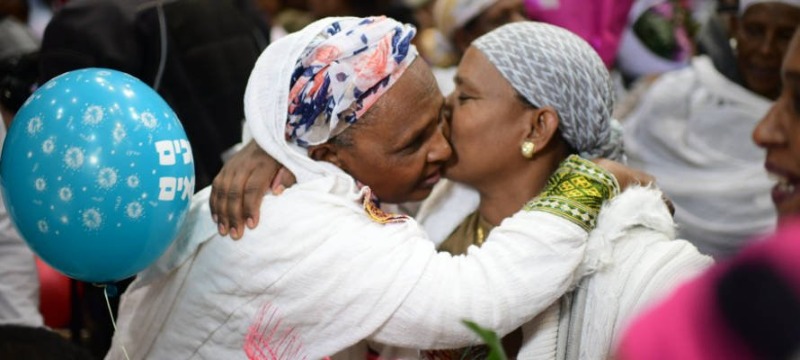
아홉 가정이 에티오피아에서 이스라엘에 지난 화요일에 도착하다.
지난 화요일, 이스라엘에서는 에티오피아에서 이스라엘로 돌아온 아홉 가정의 도착을 축하하는 환영식을 했습니다. 복잡한 관료적 과정을 간소화하는데 도움을 준 리쿠드 당원들에 의해 그들은 성대한 환영을 받았습니다.
“오랫동안 교류하지 못했던 유대인들을 다시 본국으로 데리고 오는 일을 이스라엘이 계속해주는 것이 놀랍습니다.” 베냐민 지역 협의회의 개발 부서장인 아론 캇소프가 말했습니다. 캇소프는 에티오피아계 유대인들을 도우며 하트 오브 이스라엘이라는 기관을 책임지고 있습니다. 에티오피아계 유대인들이 도착하던 날, 유나이티드 위드 이스라엘 (UWI) 과 함께 대변하였습니다.
“이스라엘은 항공권에 대한 비용을 지불해 줄 뿐 아니라 몇 년간 정착에 필요한 주거 공간도 무료로 제공해주며, 음식, 교육, 히브리어 언어 교육, 유대교에 대한 수업 및 필요한 직업을 가질 수 있도록 직업 훈련 등을 제공하여 줍니다. 다른 어떤 나라도 이렇게 이민자들을 돕는지는 잘 모르겠습니다.“ 캇소프가 말했습니다.
2015년, 이스라엘 정부는 에티오피아에 남아있는 팔라시 무라 (에티오피아 등에서 살던 유대인인 베타 이스라엘에서 기독교로 개종한 사람들)'을 이스라엘로 데려오는 데 동의하였습니다. 1984년 모세 작전이라고 불리는 첫 공수 작전 이후, 현재 140,000명의 에티오피아계 유대인들이 이스라엘에 살고 있습니다.
베타 이스라엘 공동체 (에티오피아에서 살던 흑인 유대인 공동체)에서 이스라엘에 도착하게 되면 유대인으로 완전히 인정을 받게 됩니다. 하지만 팔라시 무라는 과거 유대교에서 기독교로 개종을 당했기 때문에 그 지위 인정이 더 복잡합니다.
“기독교인들이 팔라시 무라라는 이름을 그들에게 주었습니다. 이것은 ’유대인’의 별명이었습니다.“ 캇소프가 말했습니다. ”기독교인들은 그들을 유대인으로 보았고, 역사적으로 유대인들은 그들을 유대인으로 보지 않았습니다. 하지만 100년 넘게 팔라시 무라안에서 친족 결혼은 전혀 없었습니다.“
“많은 어려움이 있습니다.“ 캇소프가 에티오피아계 유대인들이 이스라엘에서 살아가는 삶에 대해 말했습니다.” 그들은 수돗물, 화장실, 혹은 전기조차 없는 마을에서 왔고, 그들의 삶의 방식은 느긋합니다. 서구화된 사회의 빠른 속도에 적응하는 데에 어려움을 느낍니다. 그들은 월세와 세금을 어떻게 내는지, 은행 계좌를 만드는 것 등을 배워야 합니다.“
45명의 새로운 이민자들을 급하게 데리고 오는 것이 정치적으로 의도가 있는 것이 아니냐는 의혹도 있지만 캇소프는 말하기를 “이들을 도와야 한다는 급박함은 정치적으로 의도가 없다”라고 했습니다. “리쿠드 당원이 갑자기 정신을 차려서 이 일을 하게 된 것은 그만큼 여론적으로 팔라시 무라가 이스라엘로 돌아오기를 원한다는 의견이 있었기 때문입니다.” 라고 그가 말했습니다.
캇소프는 “저는 에티오피아에 살고 있으면서 이스라엘로 오기를 간절히 기다리는 사람들과 매일 이야기를 합니다. 그들은 러시아, 시리아, 이란, 모로코에 갇혔던 유대인들을 돌아보며 말하기를 ‘내가 거기에 있었다면, 나는 그들이 빠져나오도록 도와주었을 겁니다.’라고 말합니다." 지금은 어느 때보다도 유대인들을 이스라엘로 돌아오게 하는 것이 중요한 때이고, 모든 사람이 함께 힘써야 합니다.”
이스라엘에는 8,000명의 팔라시 무라가 살고 있으며 그들의 가까운 친척들은 이민을 여전히 기다리고 있습니다.
Nine families from Ethiopia immigrated to Israel on Tuesday.
By Tsivya Fox-Dobuler
Israel celebrated the arrival of nine families from Ethiopia Tuesday. They received a royal welcome from Likud party members, who helped streamline the complicated bureaucratic process.
“It’s amazing that Israel continues to bring long lost Jews to the country,” said Aaron Katsof, Head of Development for the Binyamin Regional Council.
Katsof oversees an the Heart of Israel organization, which assists Ethiopians, and spoke with United with Israel (UWI) on the day the Ethiopians arrived.
“Israel not only pays for their flights but gives them free housing in absorption centers, sometimes for years, as well as food, education, Hebrew language skills, courses in Judaism, training in order that they may get decent jobs, and more. I don’t know any other country that does that,” said Katsof.
In 2015, the Israeli government agreed to bring the remaining Falash Mura in Ethiopia to Israel. Since the first airlift in 1984, called Operation Moses, Israel has become home to about 140,000 Ethiopian Jews.
The first arrivals from the Beta Israel community were fully recognized as Jewish. The status of Falash Mura is more complicated because they stem from Jews who were forced to convert to Christianity generations ago.
“Christians gave the Falash Mura their name. It is a knickname for ‘Jew,'” explained Katsof. “The Christians look at them as Jews and Jews historically look at them as not Jewish. However, for over 100 years there has been zero intermarriage in the Falash Mura.”
“There are a lot of hardships,” Katsof said with regard to Ethiopians’ immigration experience in Israel. “They come from villages without running water, toilets or electricity. Their lifestyle is very laid back. Adjusting to the fast pace of Western society is difficult. They need to learn about paying rent and taxes and how to keep a bank account.”
Though there are suspicions that the sudden rush to bring over these 43 new immigrants was politically motivated, Katsof said that “the urgency to help these people is not [politically motivated].”
“The fact that the Likud members suddenly woke up and did this now shows that public opinion wants the Falash Mura where they belong, back home in Israel,” he said.
Katsof concluded, “Every day I speak with people in Ethiopia waiting for their turn to come to Israel. People look back at Jews who were stuck in Russia, Syria, Iran, Morocco and say, ‘If I had been there, I would have helped them get out.’ Now is another time in history when people can help bring Jews home to Israel. Everyone should care about this.”
There are presently about 8,000 Falash Mura with close relatives in Israel still waiting to immigrate.